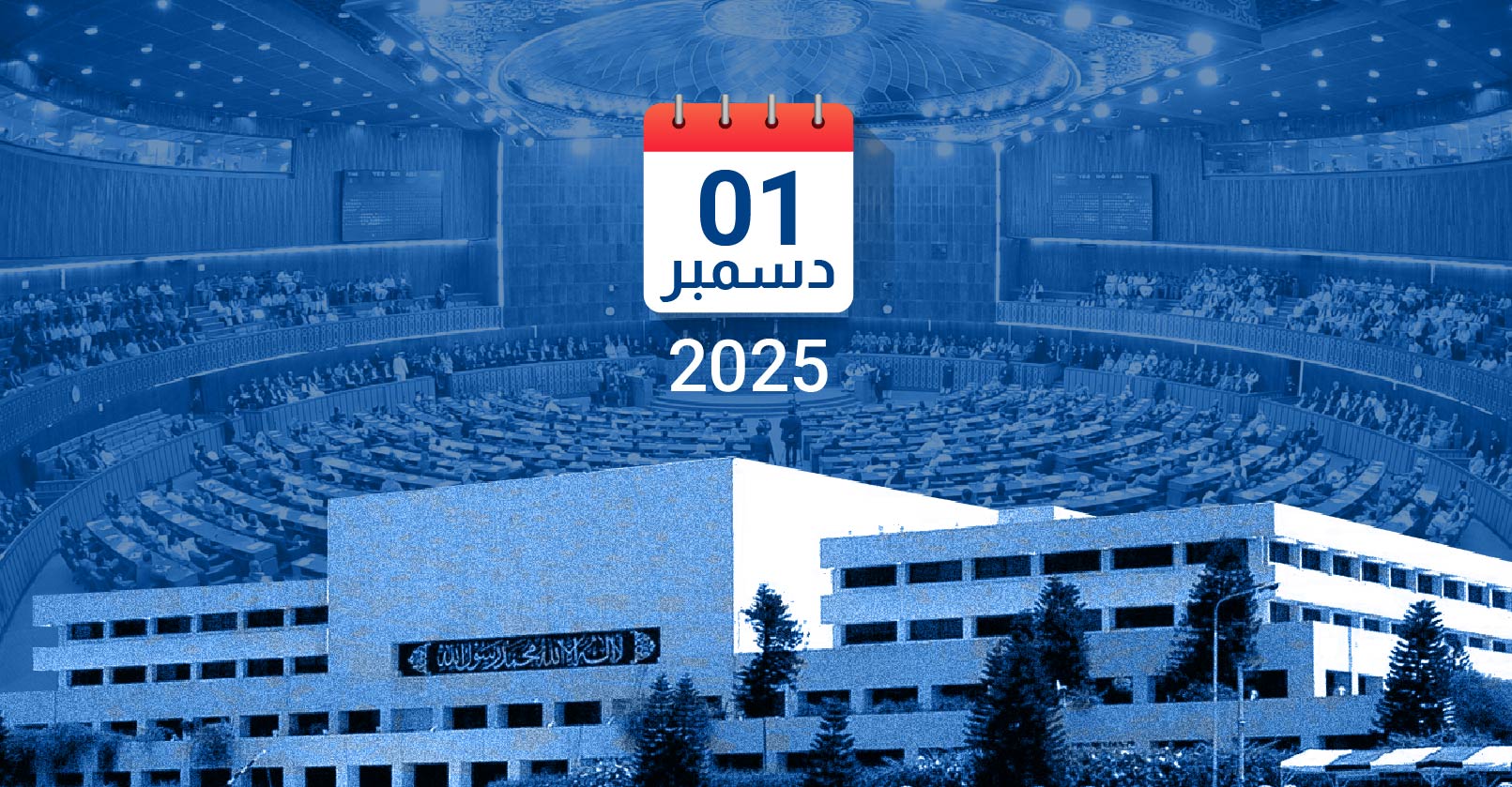
The National Assembly is scheduled to take up and pass key amendments to the Federal Prosecution Service Act (FPSA) 2023 again today (December 1, 2025). The amendment bill appeared on the Assembly’s Orders of the Day last Friday, November 28, 2025, but the House could not proceed due to lack of quorum.
Before we move on to what changes are being proposed to the FPSA 2023, let us first look at what the original law says.
What does FPSA 2023 say?
The Federal Prosecution Service Act was enacted on October 26, 2023. It was among the last batch of laws approved before the term of the 15th National Assembly ended in August 2023. The National Assembly passed it on August 7, the Senate on August 9, and the President gave assent on October 26.
Before the Act came into force, the prosecution function in the Islamabad Capital Territory (ICT) was handled by the ICT Administration. The Act created the Federal Prosecution Service (FPS) to serve as a dedicated entity responsible for instituting and conducting criminal proceedings initiated by ICT Police or federal agencies. The Federal Prosecutor General (FPG) heads the Service and is appointed by the Federal Government for a non-extendable three-year term. The FPSA also provides for the recruitment, powers and duties of prosecutors, and the superintendence and administration of the FPS.
What specific amendments are being made to FPSA 2023?
The Federal Prosecution Service (Amendment) Bill 2025 is a government bill initiated in the Senate by the Federal Minister for Interior Mohsin Naqvi on August 15, 2025. The bill, already passed by the Senate on November 7, seeks several substantive changes to the FPSA 2023. The proposed amendments include:
Wider Applicability of the Law: An amendment to Section 1(2) extends the FPSA to all cases triable in federal courts. Previously, the Act mentioned only the geographical limits of ICT without any mention of courts. The change brings within its scope cases triable before multiple federal courts, including but not limited to, Special Courts Central, Special Courts for Control of Narcotics Substances, Customs Courts.
Recruitment to the FPS: The FPSA 2023 requires all initial recruitments to be made on the recommendation of the Federal Public Service Commission (FPSC). The amendment to Section 7(4) adds a proviso allowing the Federal Government to make direct ad-hoc or contract appointments without FPSC involvement, subject to rules that are yet to be prescribed.
Authority to Appeal against Acquittal: The amendment to Section 12(5) shifts the authority to decide on filing an appeal against an acquittal from the Federal Government (defined by the Supreme Court as the federal cabinet) to the Secretary of the concerned division.
Abolition of Non-Legal Cadre in FPS: The proposed amendment also abolishes the office of the Chief Executive Officer of the FPS by omitting section 14. The existing law provided for a non-legal administrative cadre within FPS to look after the budgetary, procurement, training, and record maintenance functions. It is not explicitly mentioned in the proposed amendment who would look after these functions if not CEO.
Abolition of the Non-Legal Cadre: The bill proposes omitting Section 14, which abolishes the office of the Chief Executive Officer of the FPS. The existing provisions mandate CEO with some administrative functions including budgeting, procurement, training, and record keeping. The amendment does not specify which office will take over these responsibilities.
Other Consequential Amendments: With the CEO’s office removed, amendments to Sections 15 and 17 shift the responsibility for presenting annual reports to the government and issuing guidelines to prosecutors solely to the Federal Prosecutor General. The bill also corrects typographical errors and adjusts marginal headings.
How do other provinces manage prosecution services?
Prosecution is a provincial subject under the Constitution. Provinces established formal prosecution services between 2002 and 2007, largely under the Asian Development Bank–funded Access to Justice Programme. Existing legal frameworks include:
- The Balochistan Prosecution Service (Constitution, Functions and Powers) Act, 2003
- The North West Frontier Province (now Khyber Pakhtunkhwa) Prosecution Service (Constitution, Functions and Powers) Act, 2005
- The Punjab Criminal Prosecution Service (Constitution, Functions and Powers) Act, 2006
- The Sindh Criminal Prosecution Service (Constitution, Functions and Powers) Act, 2009
What else is on National Assembly’s legislative agenda?
The Assembly is also due to consider and pass amendments to the National Commission on Human Rights (NCHR) Act, 2012. The NCHR (Amendment) Bill, 2025 was originally introduced in the House on January 13, 2025, and endorsed unanimously by the Standing Committee on Human Rights on October 16, 2025.
The bill proposes amendments to eight sections of the Act to replace references to the “Federal Government” with specific divisions or ministries. Responsibilities related to the appointment of the Chairperson and members of the NCHR, submission of the Commission’s annual report to Parliament, and determination of service conditions and deputation of employees are being reassigned to the division that administers the Act under the Rules of Business 1973.
For human rights violation complaints involving the armed forces, the Commission will now seek reports and issue recommendations to the Defence Division instead of the Federal Government. Likewise, the Law and Justice Division is proposed to perform the Federal Government’s role in designating human rights courts and appointing special prosecutors.
The bill also removes references to the Federally Administered Tribal Areas, which were merged with Khyber Pakhtunkhwa through the 25th Constitutional Amendment.
These amendments are being proposed to the NCHR Act in light of the Supreme Court’s judgment in Mustafa Impex Case (PLD 2016 SC 808) in which the Court has specified the channel for the use of executive by the Federal Government i.e. through the federal cabinet.