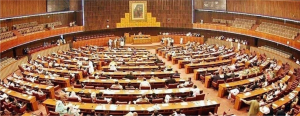

When a removal resolution against the Speaker or Deputy Speaker is being considered, the subject of that resolution cannot preside. A different Chairperson takes the Chair for that specific sitting.
Why it matters for the National Assembly proceedings?
This reflects a basic principle of natural justice that no one should be a judge in their own cause. In parliamentary terms, the Speaker cannot use their control of the Chair to manipulate a vote on their own removal. The rule insulates the removal process from the incumbent’s procedural powers. The rules also bar the Speaker from proroguing the Assembly session until the removal resolution is voted upon.
What is in it for citizens?
When a removal resolution against the Speaker is tabled, the question of who will preside at that sitting is of immediate practical importance. Citizens should follow not just whether the resolution succeeds, but whether the procedural protections — including an independent chairperson — were observed throughout.
Source: Rule 12(4), Rules of Procedure and Conduct of Business in the National Assembly, 2007
The proceedings of the National Assembly are governed by the Rules of Procedure and Conduct of Business in the National Assembly, 2007. The current rules were passed on 23 February 2007 and have since been amended 21 times, most recently on 22 October 2024.
This post is part of FAFEN’s series on parliamentary literacy. Read more of this series here.