When a Senate seat falls vacant mid-term and a by-election is held, the newly elected senator serves only what is left of the original term — not a full new six-year period.
The Elections Act 2017 provides a specific answer for vacancy-filling by-elections.
 What does the law say?
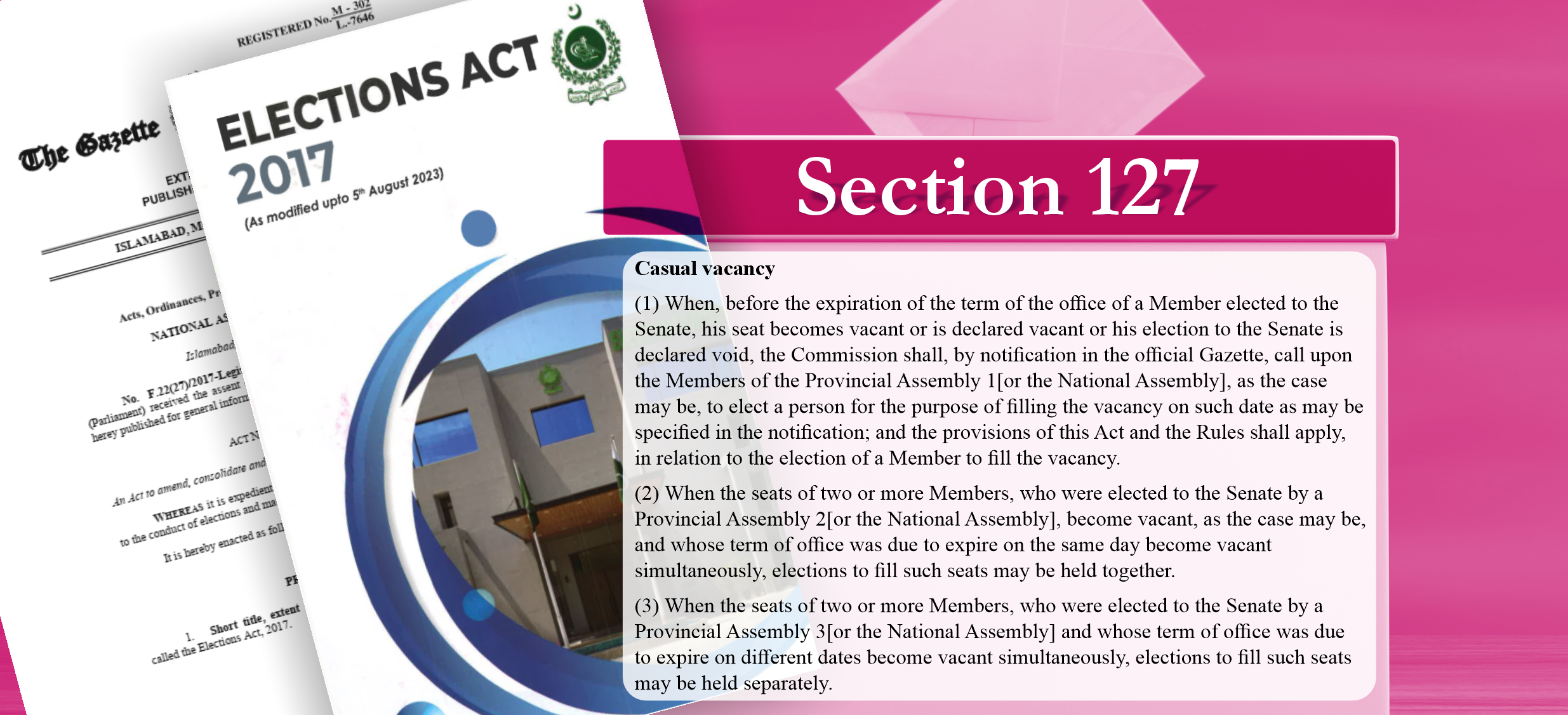
Section 127 of the Elections Act 2017 provides that when a seat in the Senate falls vacant, the Commission notifies a by-election to fill the vacancy. The senator elected in that by-election holds the seat only for the remainder of the term for which the original senator was elected. The six-year Senate term is a fixed period attached to the seat — not a fresh grant to each successive holder.
This means that a senator elected in a by-election six months before the original term expires holds the seat for six months. A senator elected four years into a six-year term holds for two years. The by-election does not reset the clock.
 Why does this matter?
The partial-term consequence of Senate by-elections affects both the strategic value of winning such elections and the accountability calculations of candidates who pursue them. A candidate who campaigns extensively and wins a by-election with 18 months remaining on the original term has a shorter window to establish legislative presence than one elected in a general election.
 Source: Elections Act 2017, Section 127.
This post is part of FAFEN’s series on electoral literacy. Read more of this series here.