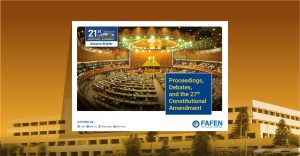

No member may be arrested within the precincts of the Assembly. The precincts include the Chamber, lobbies, galleries, offices attached to Parliament, parking lots, and such other places as the Speaker specifies. This prohibition is absolute — it applies regardless of the nature of the charge or the arresting authority.
Why it matters for the National Assembly proceedings?
The prohibition on arrest within the Assembly’s precincts is a foundational element of parliamentary authority and privileges. If executive authorities could enter Parliament and arrest members, the physical security of legislators would be contingent on executive goodwill. The precincts prohibition creates a zone of legislative sovereignty within which the executive’s coercive power does not reach.
What is in it for citizens?
Citizens should be aware that any arrest — or any attempt at arrest — within the Assembly’s precincts would be a clear violation of the rules and a serious breach of the constitutional separation of powers.
Source: Rule 106, Rules of Procedure and Conduct of Business in the National Assembly, 2007
The proceedings of the National Assembly are governed by the Rules of Procedure and Conduct of Business in the National Assembly, 2007. The current rules were passed on 23 February 2007 and have since been amended 21 times, most recently on 22 October 2024.
This post is part of FAFEN’s series on parliamentary literacy. Read more of this series here.