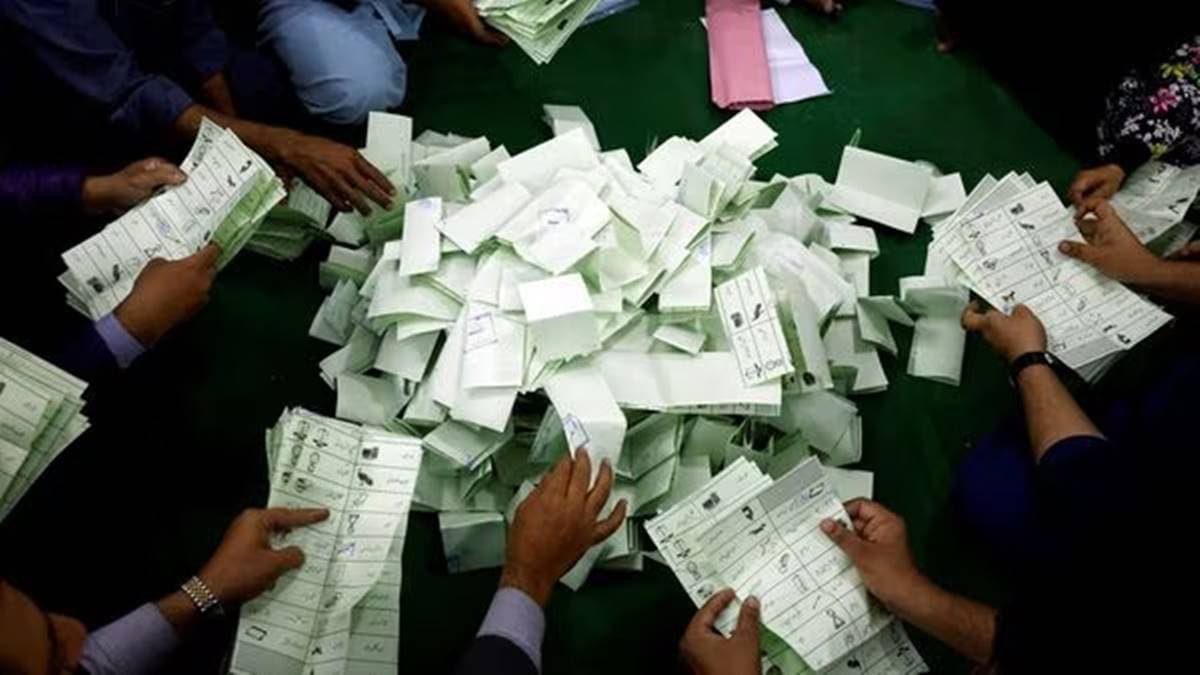
In Pakistan, elections are often perceived as a one-day spectacle; casting votes, counting them, and announcing results. Streets fill with slogans, polling stations with queues, and by evening, the nation’s attention turns to numbers, victories, and defeats. When viewed as a one-day ritual, elections lose their spirit. Elections are far more than a choice of representatives; they are a means of defining our collective direction and the future we aspire to build.
Pakistan’s democratic journey has been long and uneven. Years of political instability, fragmented mandates, and governance failures have left citizens weary and skeptical. For many, elections have become a monotonous exercise rather than a renewal of hope. Yet, within this process lies the potential for transformation within the system. Each vote is more than a mark on paper, it is a statement of the kind of country we wish to build: one that is fair, inclusive, accountable, and prosperous.
When citizens vote with intent and purpose, their attention shifts from personalities and short-lived promises to policies that can secure long-term progress. They ask meaningful questions: Will this leadership ensure quality education and healthcare? Will it protect the environment and manage resources responsibly? Will it uphold the rights and dignity of all? Women, minorities, and the marginalized alike? Will it strengthen institutions and deliver public services without corruption or favoritism? Such reflections turn voting into an act of vision wherein the ballot becomes both a tool of accountability and a symbol of hope.
For political parties, elections must be more than a contest for power. They should serve as platforms for clear, measurable, and future-oriented agendas. With over 60 percent of Pakistan’s population under 30, the younger population deserves manifestos rooted in innovation and forward-looking policies, not decades old, recycled rhetoric. Visionary politics demands that leadership confronts the real challenges of our time, from failing health and education systems to environmental degradation, weak digital infrastructure, unemployment, and social injustice.
True democracy also requires engagement beyond election day. Casting a vote is not the end of civic duty; instead, it is just the beginning. Citizens must hold their representatives accountable, strengthen local governance, and advocate for reforms that reflect the values they endorsed at the ballot box. In a country still striving for institutional stability, this shared responsibility is even more critical. Treating elections as mere formality will only perpetuate cycles of crisis. But viewing them as opportunities to redefine our national direction can guide Pakistan toward stability, equality, and sustained progress.
Ultimately, a ballot paper is not just ink on paper – it mirrors our collective dreams. The question before us is simple yet profound: will we vote for the future we wish to build, or will we continue to repeat the past we seek to escape? –Â Written by Mukhtar Javed, FAFEN Chairperson