The National Electric Power Regulatory Authority (NEPRA) has moved to amend the Prosumer Regulations, 2026 within a week of their notification, indicating that it has taken note of concerns raised by parliamentarians and rooftop solar users.
However, the proposed change does not reverse the decision to replace net-metering with net-billing, a shift that is likely to discourage rooftop solar adoption and appears to conflict with the ruling Pakistan Muslim League-N (PML-N)’s manifesto commitment to further encourage rooftop solar.
The broader question therefore remains that should regulatory autonomy be insulated from the people’s mandate when policy direction intersects with electoral promises?
What does the proposed amendment say?
On February 17, 2026, NEPRA published a proposed amendment to Regulation 21 of the Prosumer Regulations, 2026 for eliciting public opinion. Advertising the amendment and providing thirty days for public comments is a legal requirement under Section 47 of the Regulation of Generation, Transmission and Distribution of Electric Power Act, 1997.
The amendment seeks to ensure that approvals, licenses and agreements executed under the repealed 2015 net-metering regulations remain valid. Distributed generators with existing agreements would continue to be billed according to the rates and mechanism provided under those earlier regulations until expiry of their contractual term.
If notified, the amendment would be deemed to have taken effect from February 9, 2026, the date the Prosumer Regulations, 2026 came into force.
What remains unchanged?
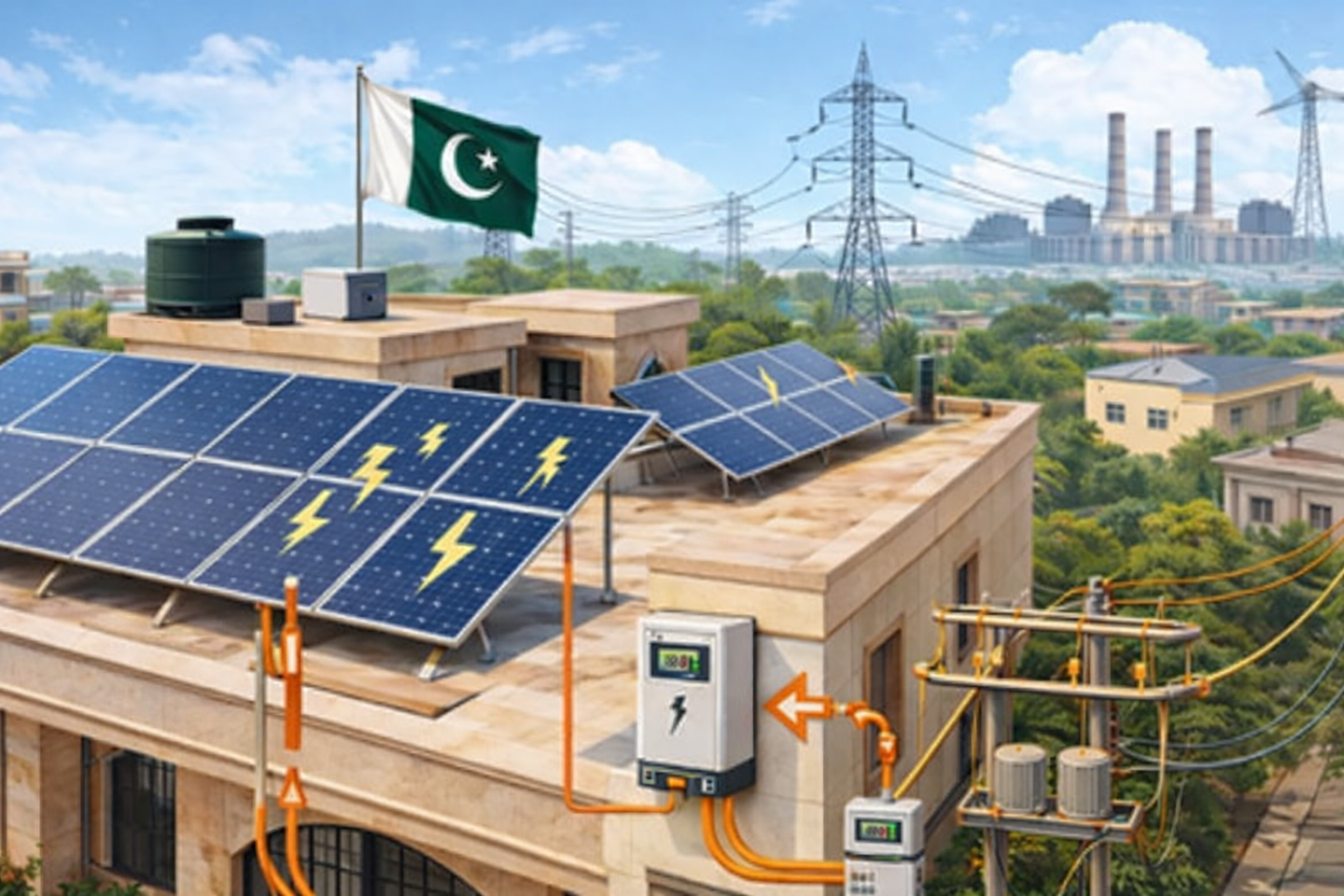
The amendment does not alter the central policy shift introduced earlier this month. The Prosumer Regulations, 2026 replaced the net-metering regime with a net-billing mechanism for new distributed generators, under which imported electricity (being bought from distribution companies) is billed at retail tariff and exported electricity (being sold to distribution companies) is compensated at the national average energy purchase price.
How does this relate to PML-N’s manifesto?
In its GE-2024 manifesto, PML-N pledged to continue the “solar revolution” and to encourage rooftop and distributed solar power alongside incentives for local manufacturing.
The parliamentarians and media, however, opine that the new policy would discourage rooftop solar production. So the larger question persists that if a ruling party has committed to encouraging rooftop solar, should regulatory recalibration that potentially alters financial incentives for new entrants be viewed through that electoral promise?