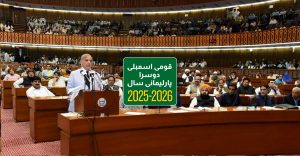
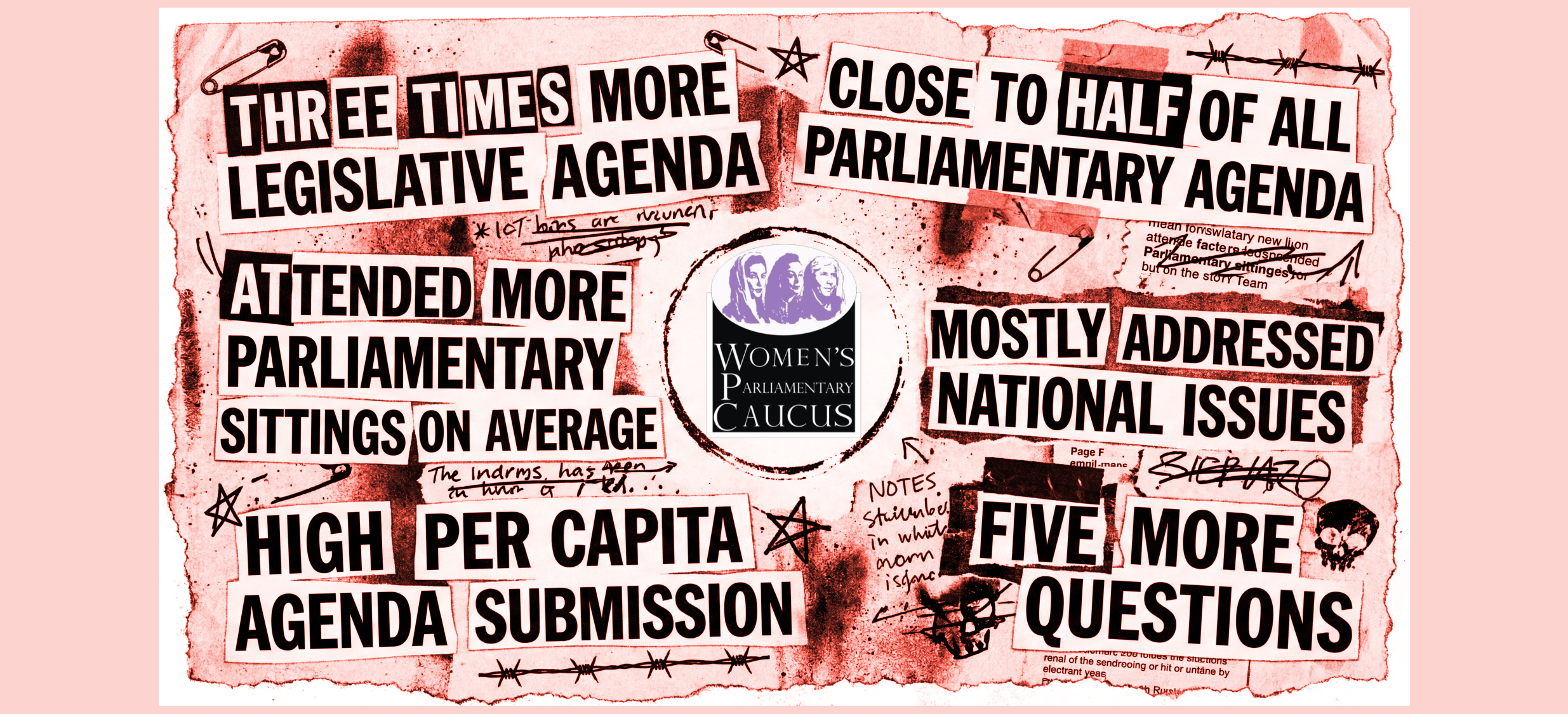
Female MNAs attended an average of 51 sittings of the National Assembly during the second parliamentary year of the 16th National Assembly. Male MNAs attended an average of 50 sittings. The National Assembly held 84 sittings during the reporting period. Reserved-seat female MNAs recorded the highest average attendance among all seat categories, at 52 sittings.
How this is measured
Attendance data are drawn from the National Assembly’s official session attendance registers, which record the presence of each MNA at every sitting. FAFEN compiles these registers for every sitting held during the reporting year and calculates average attendance separately for female MNAs, male MNAs, reserved-seat members, and general-seat members. The analysis covers 343 MNAs who held Assembly membership at different points during the second parliamentary year.
Why this matters in parliamentary terms
Attendance is the threshold requirement for parliamentary participation. An MNA who is not present in the chamber cannot speak, vote, or raise issues on the floor of the House. The finding that female MNAs matched and marginally exceeded male MNAs in attendance directly refutes the claim that women parliamentarians are less committed or less present than their male counterparts. In the Pakistani context where female MNAs navigate significant domestic, logistical, and cultural pressures simply to be physically present in Islamabad during parliamentary sessions, an average attendance rate exceeding that of male MNAs is a substantive finding. It also sets up a more important diagnostic question: if female MNAs are present at equal or higher rates, why do participation data in some categories suggest lower engagement? The answer, FAFEN’s data indicate, lies in institutional design rather than individual effort.
Source: FAFEN Women Parliamentarians Performance Report 2025–2026, Table 6. Data period: 1 March 2025 – 28 February 2026.