
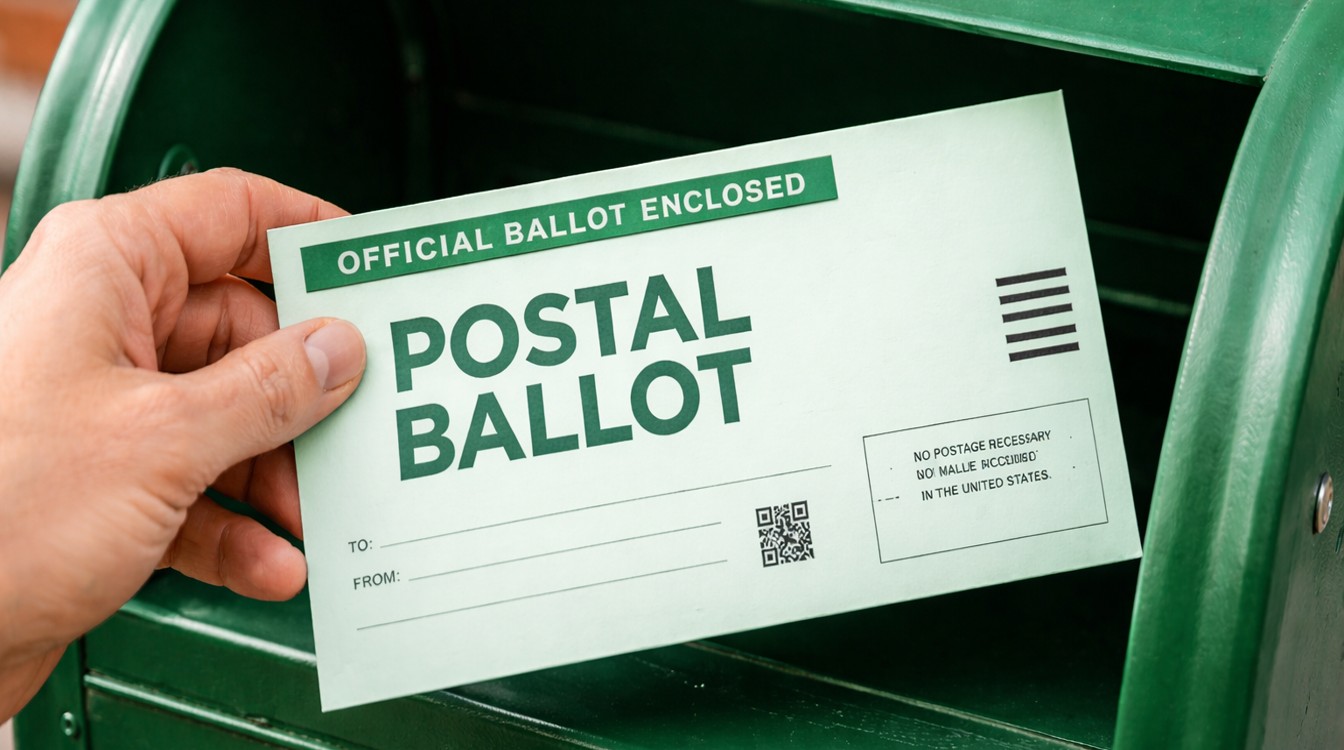
Postal ballots are a critical yet often overlooked component of the electoral process in Pakistan. Their management demands absolute transparency to maintain public trust, as the significance of these votes is most evident in tightly contested races where they can overturn initial results.
A prime example occurred during the General Elections 2024 (GE-2024) in constituency NA-251 (Sherani-cum-Zhob-cum-Killa Saifullah). Initially, according to provisional results (Form-47), Khushal Khan Kakar of the Pashtunkhwa National Awami Party Pakistan (PNAPP) was positioned as the winner with 45,712 votes. However, the outcome changed during the preparation of the consolidated statement of results (Form-48), which involves the scrutiny of excluded ballots at the polling stations and the counting of postal votes. Upon the inclusion of 1,447 postal ballots, Syed Sami Ullah of Jamiat Ulema-e-Islam Pakistan (JUI-P) surged ahead to a final tally of 46,210 votes, securing the seat. This shift underscores how a relatively small number of postal votes can decisively alter a mandate, highlighting why their verification must be beyond reproach.
Postal Papers Issued and Cast in 2024
According to the ECP’s GE-2024 report, 269,113 postal ballot papers were issued to eligible voters. The highest numbers were issued in Khyber Pakhtunkhwa (108,940), followed by Balochistan (62,100), Punjab (53,251), and Sindh (44,822).
However, FAFEN’s analysis of Form-48 data indicates that only 235,008 of these ballots were recorded as cast, suggesting that 34,105 papers were not returned to the ROs. However, among the ballot papers received, there were 17,505 ballot papers that were excluded from the final count for various reasons. Provincial data reveals significant differences in return and validity rates.
- Balochistan: ROs received 49,960 ballots out of 61,000 issued; approximately 9% were invalid.
- Khyber Pakhtunkhwa: 85,531 ballots (79%) were returned; 6% were invalid.
- Sindh: 33,829 ballots (75%) were returned; 5% were invalid.
- Islamabad: 80 ballots were cast; only 4% were excluded for invalidity.
The Punjab Anomaly
A notable discrepancy exists in Punjab, where the number of postal ballots received exceeds the number issued. ECP records show 53,251 ballots were issued, yet Form-48 records indicate 65,608 were received by Returning Officers for National and Provincial Assembly constituencies — an excess of 12,357 ballots. Additionally, 9% of received ballots in Punjab were rejected, raising a need for closer scrutiny.
Eligibility and Application Process
Under Section 93 of the Elections Act, 2017, postal voting is a facility for voters unable to reach polling stations, including:
- Government officials and security personnel on election duty.
- Persons with physical disabilities holding a NADRA-issued CNIC with the disability logo.
- Persons in legal custody or prison.
To avail of this, eligible voters must submit a written application to their Returning Officer (RO) within the ECP’s notified timeframe. After verification, the RO issues the ballot with instructions. The voter marks the ballot and returns it by post. Only valid ballots received before the consolidation of results are included in the final count.