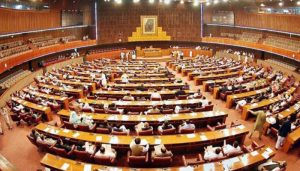
Standing Committees of the National Assembly have the power to require the attendance of persons or the production of papers and records. Witnesses may be summoned by an order signed by the Assembly Secretary. Committees may hold public hearings and invite or summon any person with a special interest in the matter under consideration. A Ministry may decline to produce a document only if its disclosure would prejudice national defence, security, or external relations — and even then, the Speaker decides.
Why it matters for the National Assembly proceedings?
The summoning power gives committees real investigative authority. Combined with the power to hear evidence on oath, conduct public hearings, and require document production, committees have the tools of a parliamentary commission of inquiry. The Minister’s qualified privilege to withhold sensitive documents — subject to the Speaker’s final determination — preserves some executive confidentiality without making committees toothless.
Interestingly, the National Assembly rule that empowers the Speaker to make determination whether or not an information is exempt from committees’ scrutiny is in conflict with Article 66(3)(b), which vests this power in the President.
What is in it for citizens?
For citizens, the committee summoning power means that parliamentary oversight is not limited to what the government chooses to disclose. Committees can call civil servants, experts, NGO representatives, and even Ministers as witnesses. Whether they use this power actively, and whether summoned witnesses comply, is a measure of the Assembly’s seriousness about accountability.
Source: Rule 227, Rules of Procedure and Conduct of Business in the National Assembly, 2007
The proceedings of the National Assembly are governed by the Rules of Procedure and Conduct of Business in the National Assembly, 2007. The current rules were passed on 23 February 2007 and have since been amended 21 times, most recently on 22 October 2024.
This post is part of FAFEN’s series on parliamentary literacy. Read more of this series here