
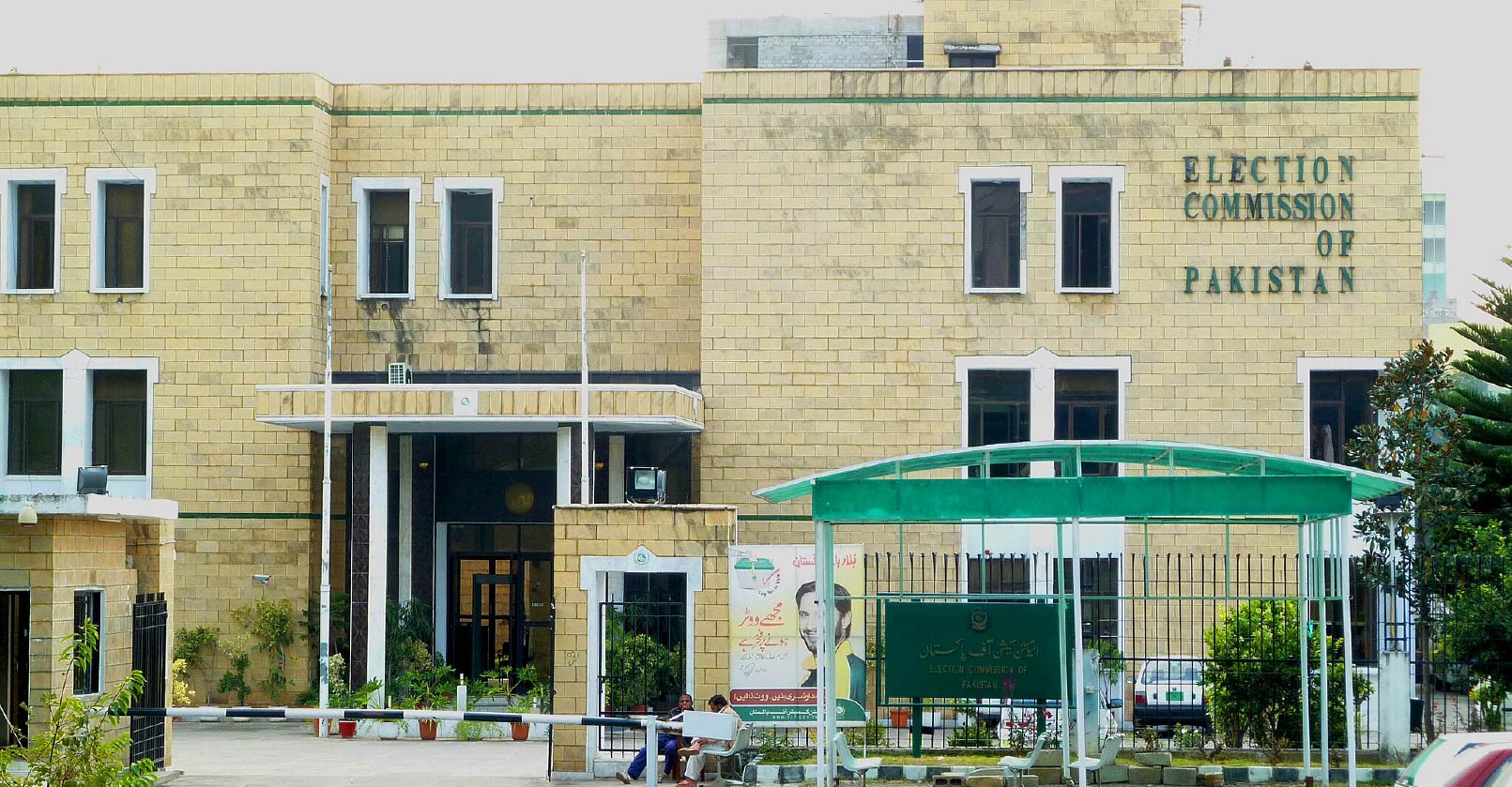
The Election Commission of Pakistan (ECP) has notified the Regulations for Right of Access to Information, 2026, declaring 10 out of 49 categories of information held by the Commission as “classified.”
The regulations have been issued in the backdrop of a judgment of the Islamabad High Court (IHC), which held that constitutional bodies such as the ECP fall outside the scope of the Right of Access to Information Act, 2017.
Although the notification is dated February 9, 2026, the regulations became publicly accessible on the ECP’s website on February 11, 2026.
What is background of these regulations and IHC judgement?
The IHC judgment that prompted the framing of these regulations arose from petitions filed by the ECP challenging orders of the Pakistan Information Commission (PIC). The PIC had directed the ECP to disclose budgetary and expenditure-related information requested by a citizen under the Right of Access to Information Act, 2017.
The ECP argued that it is a constitutional body established under Article 218 of the Constitution and does not fall within the definition of a “public body” under the 2017 Act. The PIC had maintained that institutions funded through public money should be subject to the law.
The IHC ruled that the PIC had exceeded its jurisdiction in issuing binding directives to constitutional bodies. Referring to the Supreme Court’s 2024 decision in Mukhtar Ahmed Ali vs. Registrar Supreme Court of Pakistan (PLD 2024 SC 192), the court held that the Right of Access to Information Act, 2017 applies to statutory and executive entities and does not extend to institutions created directly under the Constitution.
At the same time, the court clarified that constitutional bodies are not exempt from transparency. Under Article 19A of the Constitution, they remain obligated to provide access to information. The IHC directed the ECP and the President’s Secretariat to frame their own regulations within 90 days to ensure public access to information, subject to reasonable restrictions.
What do the new regulations provide?
The regulations formalize procedures for seeking information from the ECP. They largely incorporate practices already provided under the Elections Act, 2017 and the Election Rules, 2017.
Under the regulations, the ECP will appoint a Chief Information Officer (CIO) at the Secretariat and Public Information Officers (PIOs) at the provincial level to process information requests.
Any citizen may submit a request in writing—through post or electronic means—by providing identification details, including name, parentage, copy of national identity card, contact information, and the purpose for which the information is sought.
The CIO or PIO is required to decide upon a request within 14 days. This period may be extended by seven working days, provided reasons are recorded in writing. An appeal against the decision of the CIO or PIO may be filed before the Chief Election Commissioner or an authorized officer within 14 days of the decision.
The regulations also prescribe a fee structure. The Commission will charge Rs 10 per page for provision of information. For requests up to 50 pages, payment is to be made through court fee stamps. For requests exceeding 50 pages, payment must be deposited through an original challan under specified heads of account related to the ECP under the Elections Act, 2017. Cash payments are not permitted.
What information has been declared as “classified”?
Out of 49 identified categories of information held by the Commission, 10 have been declared classified. These include:
- Appointment of delimitation committees;
- Appointment of supervisors, verifying officials, enumerators and Display Center in-charges related to preparation and revision of electoral rolls;
- Documents relating to advertising agencies and the Press Information Department (PID);
- Personal information of trainers and trainees involved in the trainings held by the ECP;
- Monitoring reports submitted by District Monitoring Officers and monitoring teams during election campaigns;
- Gender and social inclusion plans;
- Hiring matters, allotment of government accommodation to employees
- Purchase and registration of vehicles
- Note and correspondence portions of official files;
- Any other document declared as classified by the authority.
The regulations state that such classified information shall not be disclosed, subject to three-yearly review to assess the need of declassification.