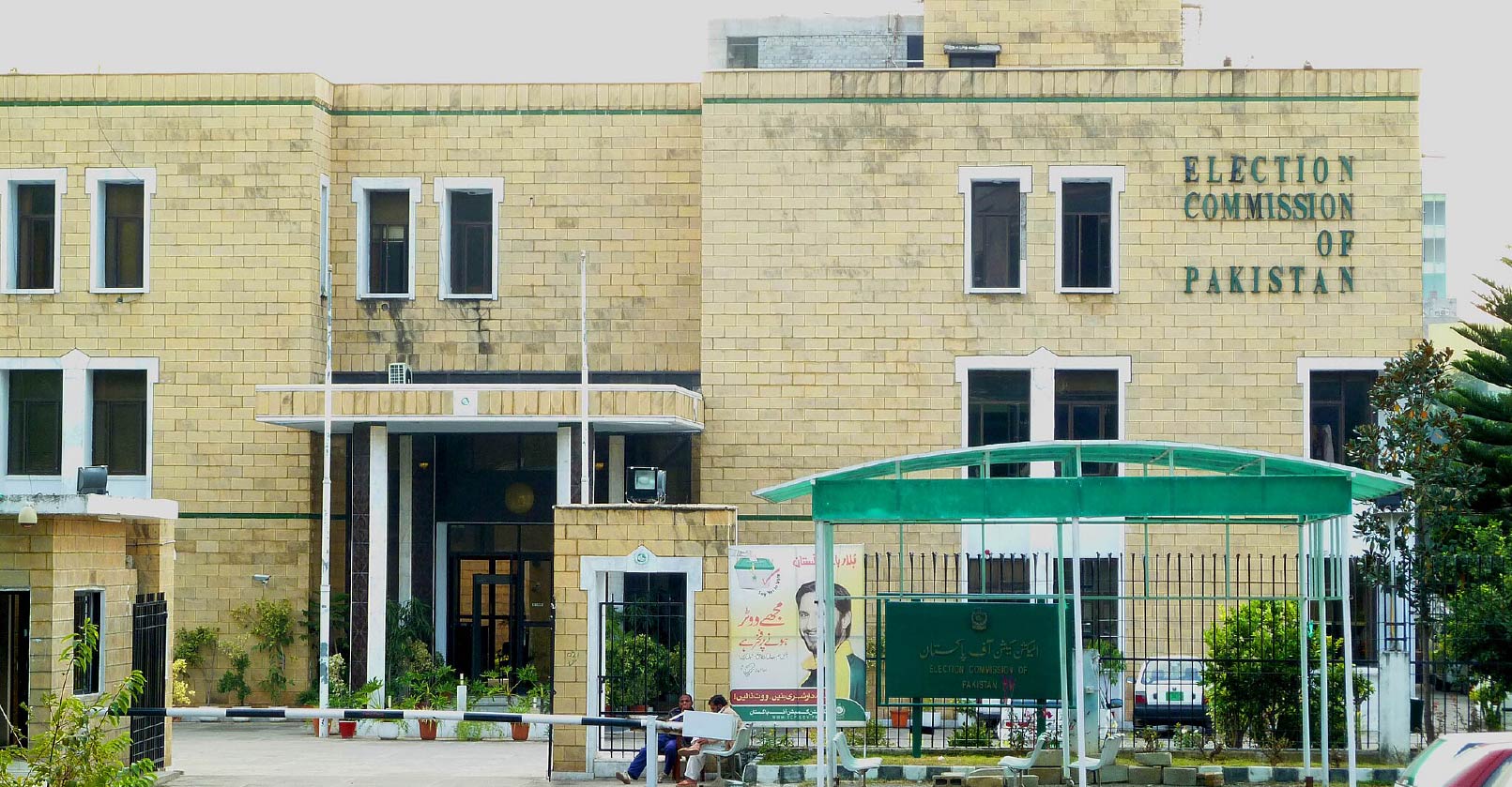
The Election Commission of Pakistan (ECP) has published gender-disaggregated data of registered voters for National and Provincial Assemblies’ constituencies on February 25, 2026. The reported figures, however, are updated as of February 3, 2025, as per the ECP.
The publication is a legal duty of the ECP under Section 47(1) of the Elections Act, 2017. The section requires ECP to “annually publish disaggregated data of registered men and women voters” in each constituency highlighting “the difference in number of registered men and women voters.”
The ECP published this data last on April 04, 2025.
According to recent statistics, the number of registered voters stands at 13.63 crores, reflecting an increase of 2.86 lakh voters since December 30, 2025 when the ECP published district-wise statistics of registered voters.
Read FAFEN’s review of 2025 voter registration data
There are 7.28 crores male and 6.33 crores female registered voters across Pakistan with the gender gap i.e. difference between registered men and women, standing at seven percent overall.
Punjab has 7.75 crores voters – 4.10 crores men and 3.64 crores women. Sindh has 2.85 crores voters – 1.53 crores men and 1.31 crores women. Khyber Pakhtunkhwa (KP) has 2.32 crores voters – 1.25 crores men and 1.06 crores women. Balochistan has 57 lakh voters – 32 lakh men and 25 lakh women. The Islamabad Capital Territory has over 12 lakh voters – 6.4 lakh men and 5.8 lakh women.
The highest gender gap is recorded 11.8 percent in Balochistan, followed by 8.4 in KP, 7.7 in Sindh, 6 in Punjab, and 4.4 in Islamabad.
In comparison with number of registered voters on December 30 last year, Punjab has recorded a growth of 1.37 lakh voters, bringing its total to 7.75 crores. Sindh follows with an addition of 81,591 voters, bringing its total to 2.85 crores. Khyber Pakhtunkhwa recorded an increase of 51,906, with its total reaching 2.32 crores. Balochistan has a modest rise of 20,833 voters, with its total reaching 57 lakhs.
In contrast, Islamabad’s electoral roll decreased slightly by 4,979, reflecting minor adjustments or removals, with an average daily decline of 216 in the updated rolls.
Excluding weekends, the daily average of new voter registrations across Pakistan stood at 12,434, with Punjab contributing the largest share of 5,940, followed by Sindh (3,547), Balochistan (2,257), and Khyber Pakhtunkhwa (906) according to the updated electoral rolls. The growth in female registrations continues to outpace that of males across all provinces, underscoring ongoing efforts to enhance women’s participation in the electoral process.
Stay tuned to FAFEN website for detailed analysis of constituency-wise voter registration data